Film production has always depended on collaboration between multiple creative teams. Directors, writers, cinematographers, editors, VFX artists, and producers each handle different parts of the filmmaking process, working together to transform an idea into a finished film.
However, managing these connected stages can be challenging. A creative decision made during writing can affect cinematography, editing, visual effects, and post-production. Keeping every department aligned requires strong communication and detailed planning.
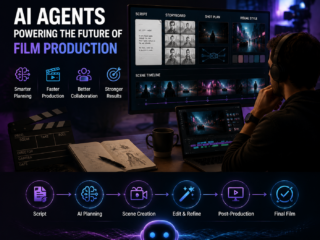
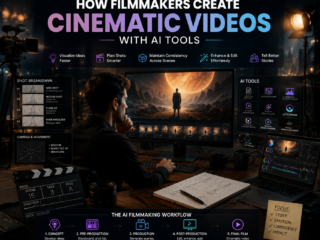
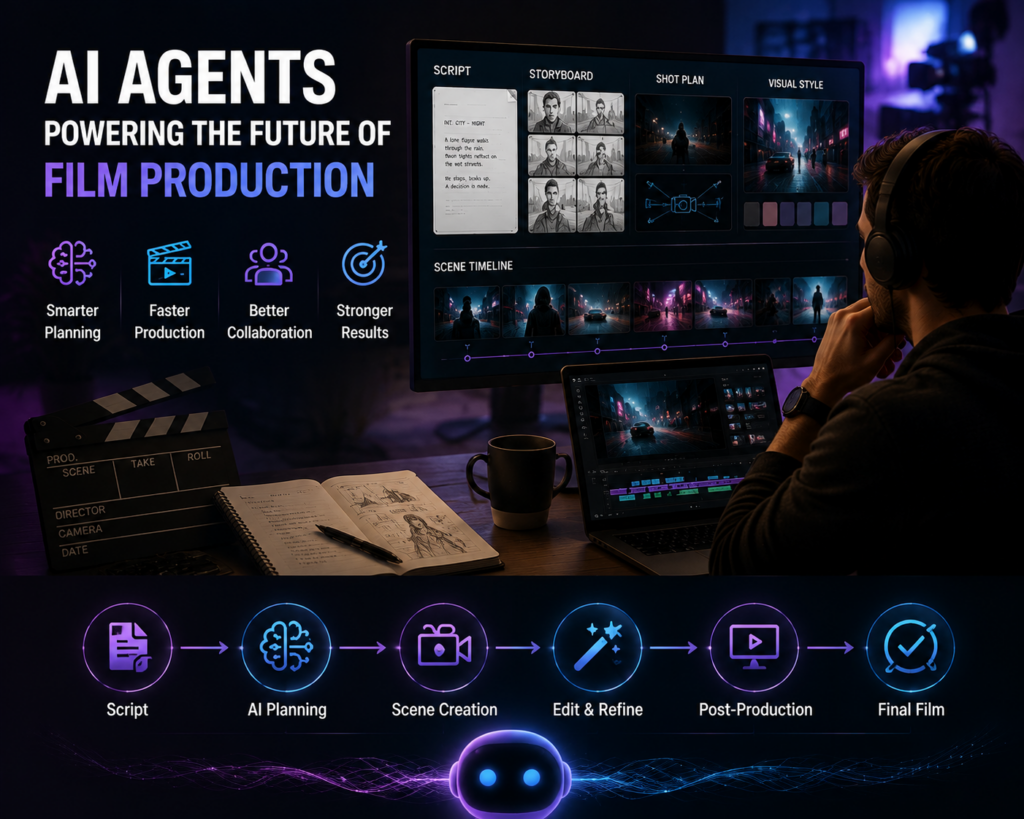
AI video agents are changing this process by helping filmmakers connect different stages of production through more intelligent workflows. Instead of using AI only for individual tasks like generating images or editing clips, creators can now work with AI systems that understand broader project goals, maintain context, and assist across multiple stages of production.
From script development and scene planning to video creation and post-production, AI video agents are becoming a new layer of support for modern filmmaking workflows.
What Are AI Video Agents?
AI video agents are intelligent systems designed to assist with multiple parts of the video creation process. Unlike traditional AI tools that usually perform one specific function, AI video agents can support connected workflows.
A standard AI tool may help generate a visual or edit a clip. An AI video agent can help creators move through a broader process by understanding project requirements, organizing creative decisions, and supporting different production stages.
For example, a filmmaker developing a short film may need help with:
AI video agents help connect these steps, making the production process more organized and efficient.
How AI Agents Are Transforming Pre-Production
Pre-production is one of the most important stages of filmmaking because it defines the creative direction before filming begins.
Directors need to make decisions about locations, camera angles, character designs, shot sequences, and visual styles.
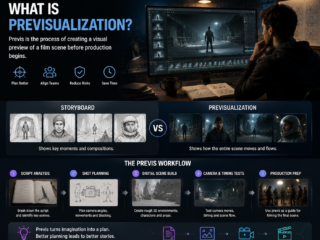
AI video agents are helping filmmakers explore these decisions earlier by turning written ideas and references into structured visual plans.
A director can start with a script or concept and use AI-assisted workflows to explore:
This allows filmmakers to identify creative challenges before production begins.
For independent creators, this is especially valuable because detailed planning methods that were once limited to larger studios are becoming more accessible.
Moving From Scripts to Visual Sequences
A script describes the story, but filmmaking requires translating words into visual experiences.
A single scene description can involve many creative decisions. Directors need to determine how the camera moves, how characters interact, and what visual elements support the emotion of the scene.
AI video agents can help bridge this gap by assisting creators in moving from written concepts to visual sequences.
For example, a filmmaker creating a dramatic scene can explore different approaches for lighting, camera placement, and character movement before deciding on the final production plan.
This gives directors more opportunities to experiment before investing resources in filming.
AI Agents and Scene Planning Workflows
Scene planning requires coordination between storytelling, visuals, and production requirements.
AI video agents can support this process by helping creators organize scene details and maintain creative consistency throughout a project.
For multi-scene productions, maintaining context is important. Characters, environments, and visual styles need to remain connected from one scene to the next.
AI agents can help by remembering important project details and supporting a more consistent workflow.
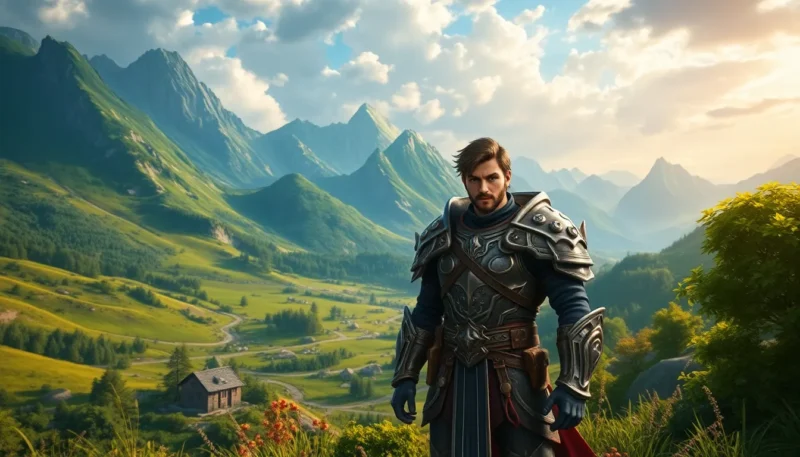
For example, a filmmaker creating a fantasy series may need the same character appearance, world design, and visual style across multiple episodes. A context-aware AI workflow can help maintain these creative decisions throughout production.
The Role of Multi-Agent Workflows in Filmmaking
Modern filmmaking involves many specialized roles, and AI workflows are moving toward multi-agent systems where different AI agents support different areas of production.
A multi-agent workflow allows specialized AI assistants to collaborate on connected tasks.
For example, one AI agent may help with:
These agents can work together while maintaining alignment with the overall creative direction.
This approach is similar to how a traditional film crew operates, where different specialists contribute to different parts of the production process.
The difference is that AI agents can help smaller teams access similar levels of creative support with fewer production limitations.
AI Video Agents in Creative Production
Creative production involves turning ideas into actual video content. This includes generating visuals, refining scenes, editing footage, and maintaining the intended storytelling style.
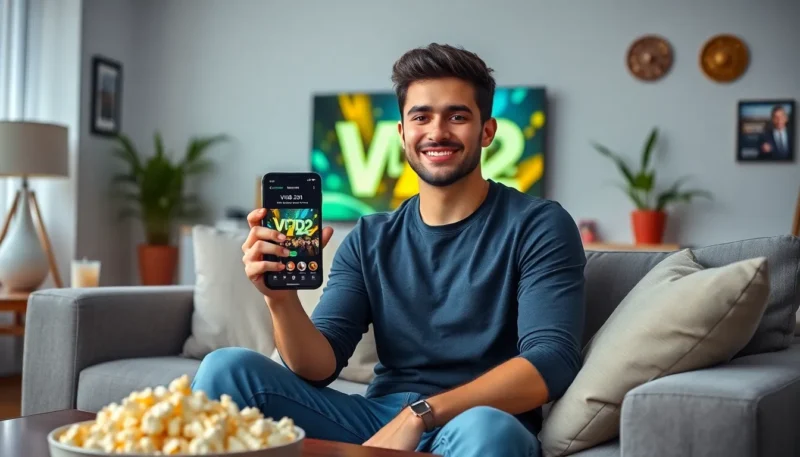
Invideo Agent supports this type of AI filmmaking workflow by helping creators move from ideas, scripts, and references into complete video projects. It connects different stages such as visual planning, generation, editing, and refinement while keeping creative decisions connected throughout the process.
For filmmakers and creative teams, this can be useful when developing multi-scene projects where consistency in characters, environments, and visual direction matters.
With invideo Agent Two, more complex productions can benefit from improved coordination across areas such as cinematography, story development, visual planning, and effects. This helps teams manage larger projects where multiple creative elements need to work together.
How AI Agents Improve Video Editing and Post-Production
Post-production often involves managing large amounts of footage, making creative adjustments, and ensuring the final film matches the original vision.
AI video agents are helping simplify parts of this process by supporting tasks such as:
Instead of treating editing as a completely separate stage, AI agents can help connect production decisions with post-production choices.
For example, if a director establishes a certain visual style during planning, AI-assisted workflows can help maintain that direction during editing.
AI Agents and Visual Consistency in Film Projects
Maintaining consistency is one of the biggest challenges in AI filmmaking.
Characters may change appearance, environments may look different between scenes, and visual styles may shift unexpectedly.
AI video agents help address this by using references, context, and project memory.
This is particularly important for:
A consistent visual identity helps audiences stay connected with the story and makes the final project feel more professional.
How AI Agents Help Independent Filmmakers
Large studios have traditionally had access to extensive production teams and resources. Independent filmmakers often need to handle multiple roles themselves.
AI video agents are changing this by giving smaller teams access to more structured creative workflows.
A filmmaker working alone or with a small crew can use AI assistance for:
This does not remove the creative role of the filmmaker. Instead, it allows creators to spend more time making artistic decisions while reducing repetitive production work.
Challenges of Using AI Video Agents
Although AI video agents offer new possibilities, filmmaking still requires human creativity and judgment.
AI can assist with planning, production, and refinement, but decisions about storytelling, emotion, and artistic direction remain with creators.
Some important considerations include:
The strongest workflows combine AI assistance with human expertise.
The Future of AI Video Agents in Filmmaking
AI video agents are moving filmmaking toward more connected and collaborative workflows.
Future production systems will likely combine script analysis, visual planning, generation, editing, and post-production into more unified experiences.
Directors may be able to work with AI assistants that understand the entire project, from the first idea to the final cut.
This could make filmmaking more accessible while allowing creators to experiment with bigger ideas and more complex stories.
Final Thoughts
AI video agents are changing film production workflows by connecting different stages of filmmaking into a more efficient process.
From script development and pre-production planning to creative production and editing, AI agents are helping filmmakers manage complex projects with greater speed and consistency.
The future of filmmaking will not be about AI replacing creative teams. Instead, it will be about filmmakers collaborating with intelligent tools that help turn ideas into complete visual stories.
About The Author