Buying a case for a flagship phone is no longer just about avoiding a cracked screen, because large displays, raised camera modules, and heavier devices change what “good protection” actually means. This guide explains how to choose a case for the Galaxy S26 Ultra by focusing on protection levels, real grip comfort, and camera safety in everyday use. It will cover two key areas: first, how to evaluate impact protection and handling, and second, how to prevent camera damage and small wear that builds up over time.
The first thing to get right is protection level and grip, because a case that survives drops but feels slippery or uncomfortable often leads to more accidents in the long run. Start by matching the case type to your risk profile: if you mostly use your phone at home or in an office, a slim case with a raised screen lip may be enough; if you commute, travel, or use the phone outdoors, prioritize reinforced corners and a slightly thicker perimeter that absorbs edge impacts. Corners matter because most drops land there first, and a case with engineered corner cushioning typically reduces the force transferred to the frame and screen. Next, assess the “grip reality,” not the marketing description. Materials like matte TPU or textured sides often improve control during one-handed use and gaming in landscape, while glossy finishes can feel premium but slide more easily in dry hands. Also check thickness and weight distribution: a case that is too bulky can make the phone harder to hold for long sessions, while a case that is too thin may protect against scratches but not against impact. Finally, confirm practical compatibility—wireless charging, magnetic mounts if you use them, and button feel. A common issue is overly stiff buttons or high button cutouts that reduce tactile feedback, which matters more than people expect when using volume keys in games or taking quick photos. If you are comparing options for a Samsung Galaxy S26 Ultra case, treat “drop protection” claims as a starting point and rely on tangible design cues—reinforced corners, a slightly raised lip, and side texture—because those are the parts that affect daily handling and real-world drops. For example, imagine you regularly use your phone while walking to transit and you often pull it out with one hand while carrying a bag; a case with textured sides and protected corners reduces slip risk, and that alone can prevent the most common types of drops.
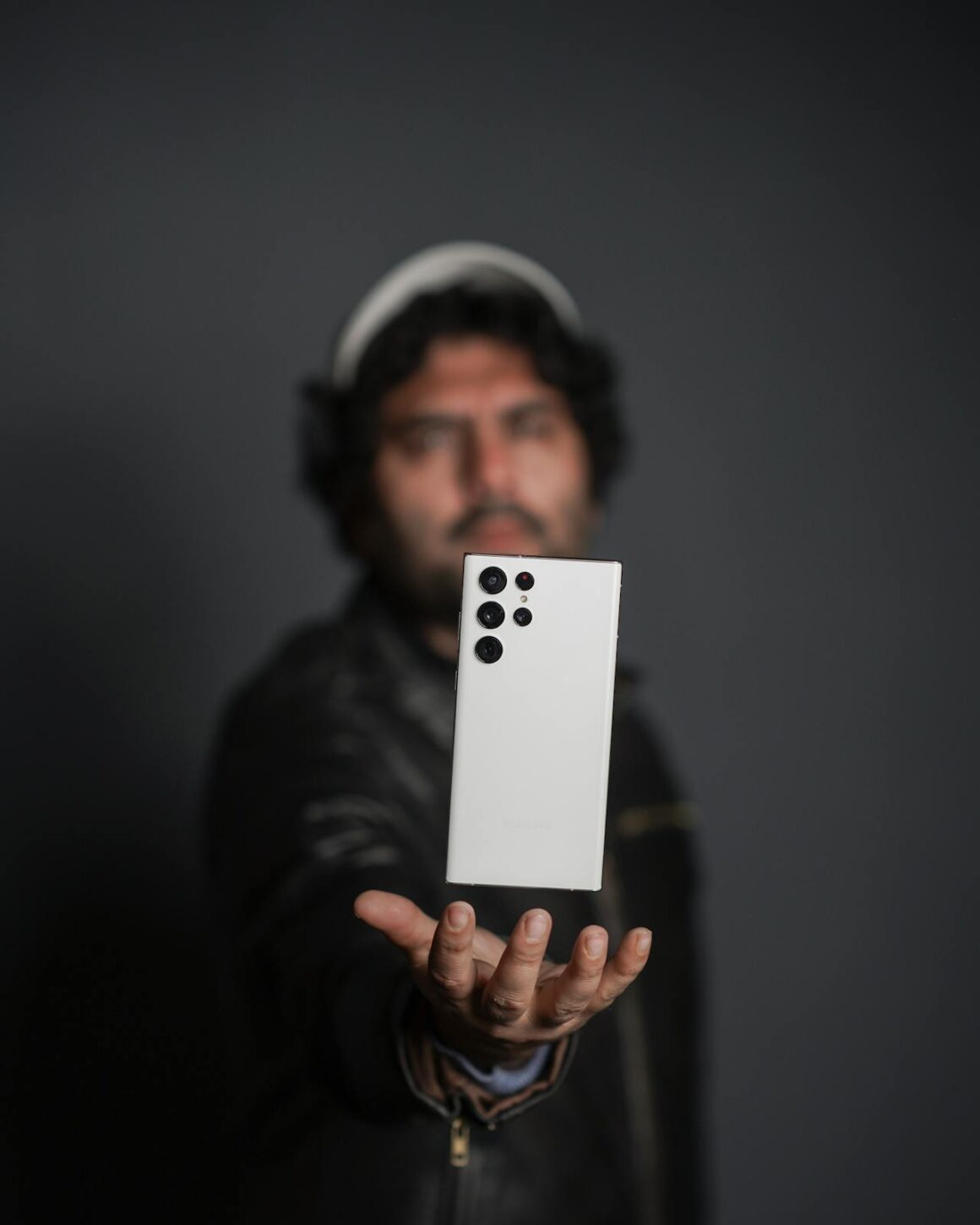
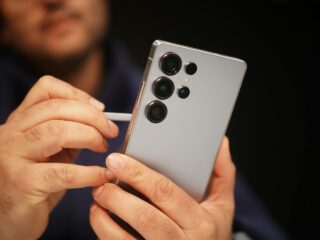
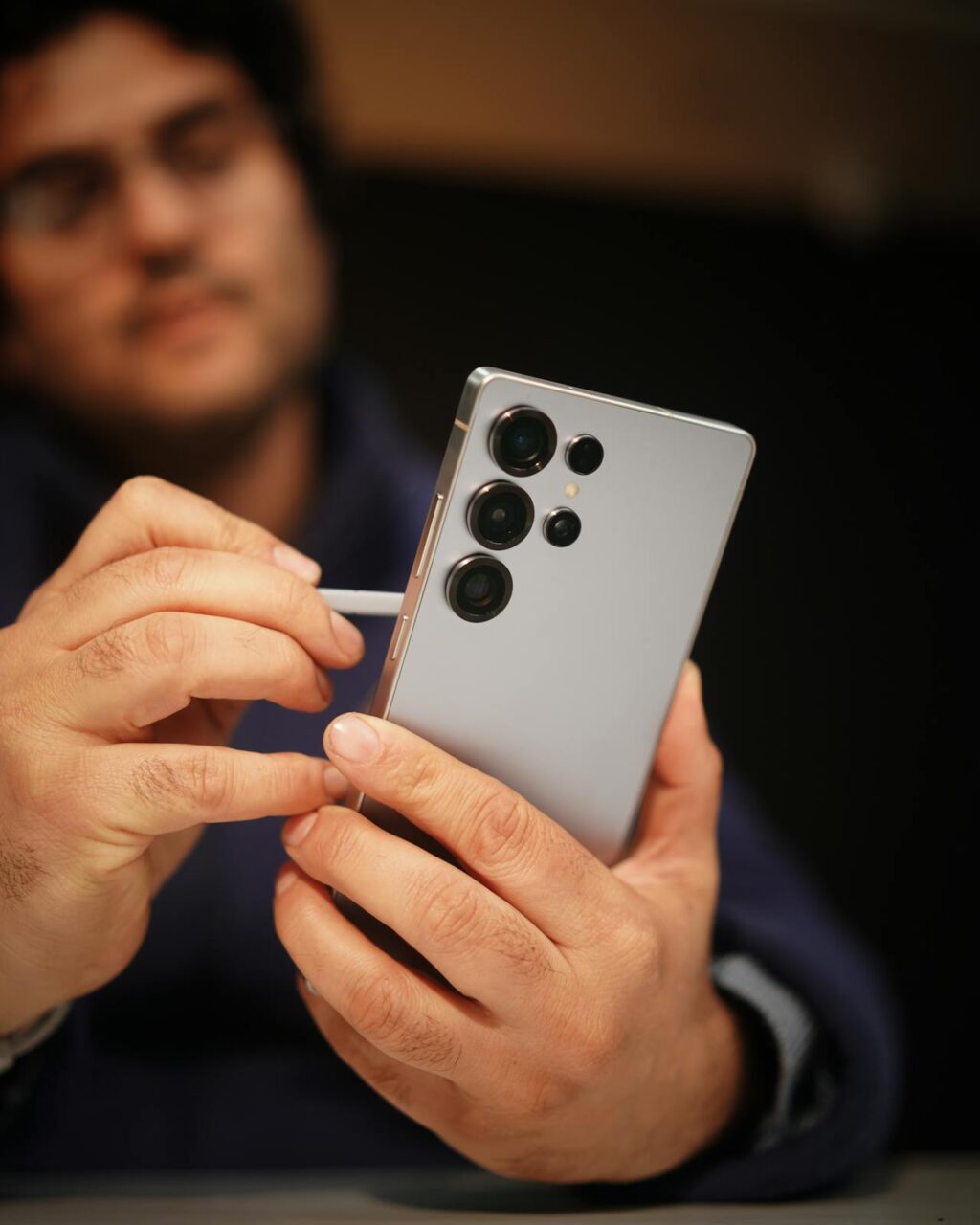
The second major factor is camera safety and long-term wear, because modern camera bumps are both expensive and exposed. Camera protection is not just about having a “raised ring”; it is about ensuring the lenses do not contact surfaces and are less likely to pick up micro-scratches that reduce photo clarity over time. Look for a case with a clearly raised camera bezel that keeps the lens glass off tables, and check that the bezel is high enough to still work when the phone is set down at a slight angle (for example, on a textured tabletop). Also consider how dust and grit behave: some designs have tight camera cutouts where fine particles can collect and rub against the lens area; a smoother cutout or properly shaped ring can reduce that risk. If you use your phone for quick photos during travel, a stable “lay-flat” experience matters too—some cases wobble badly due to camera bump geometry, which increases the chance of the phone sliding or being knocked when it is on a desk. Screen protection ties into camera safety as well: a case with a raised front lip helps keep the display from contacting surfaces, and if you place your phone face-down to protect the camera bump, you still want the screen to be safe. Finally, think about pocket and bag friction: zippers, keys, and gritty pockets can slowly mark both camera bezels and case edges. For example, imagine you work in a setting where you place your phone on hard countertops repeatedly throughout the day; over a month, even tiny abrasions add up. A case with a higher camera lip, a stable base that reduces wobble, and a surface that does not trap grit helps preserve both your camera glass and your day-to-day user experience.
In summary, the best Galaxy S26 Ultra case choice comes from aligning protection level with your real drop risk, then prioritizing grip and comfort so the phone is easier to control every day. Reinforced corners, a usable side texture, and practical button feel often matter more than a generic “rugged” label, while camera safety depends on a properly raised bezel, reduced wobble, and designs that do not trap grit. A case that balances impact protection with stable handling and camera clearance will keep the device safer in the situations where damage most commonly happens—quick one-handed use, travel surfaces, and repeated set-down moments.
About The Author