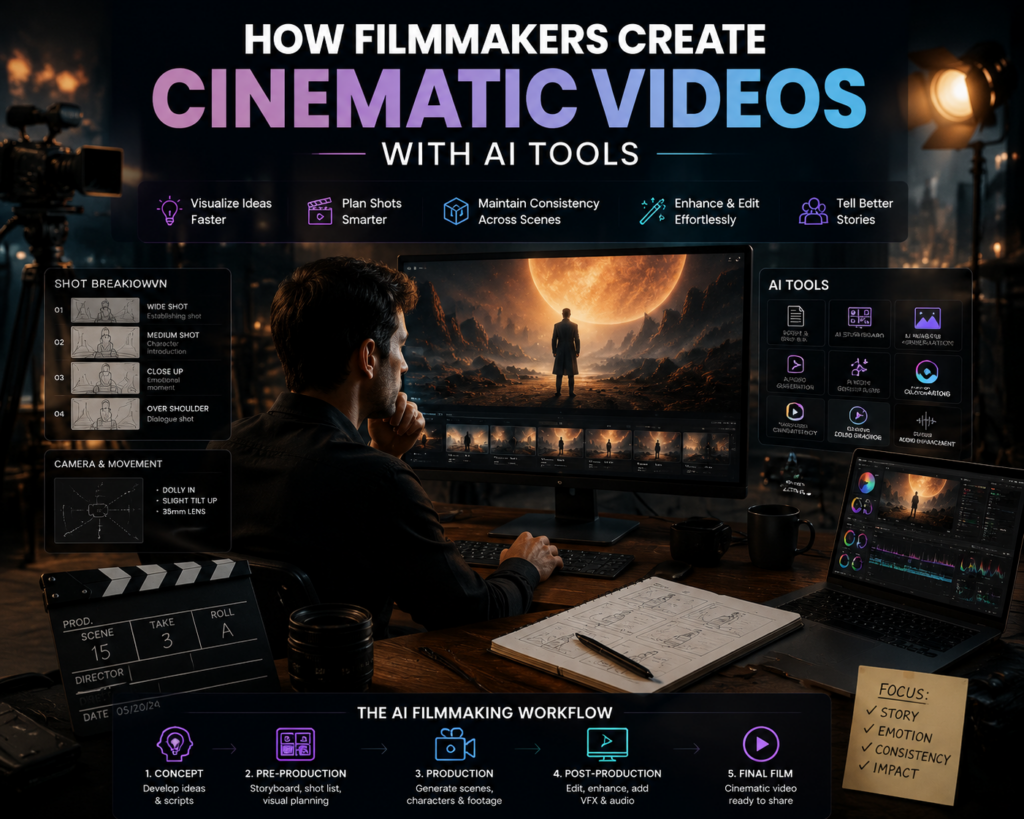
Creating a cinematic video has always required a combination of storytelling, technical expertise, and creative decision-making. From developing the initial concept to planning shots, designing visuals, capturing performances, and completing post-production, every stage of filmmaking involves multiple creative choices.
Traditionally, producing cinematic content required large teams, expensive equipment, physical locations, and long production timelines. While these elements are still important for many productions, AI tools are changing how filmmakers approach the creative process.
Today, filmmakers can use AI to explore ideas faster, visualize scenes before production, create visual references, enhance footage, and streamline different stages of video creation. These tools are not replacing the creative role of directors or filmmakers. Instead, they are becoming part of the filmmaking workflow, helping creators experiment with bigger ideas and bring complex visions to life more efficiently.
From independent filmmakers creating short films to brands producing cinematic advertisements, AI-powered workflows are expanding what is possible in modern video production.
How AI Is Changing the Filmmaking Process
Filmmaking involves several interconnected stages, including concept development, pre-production, production, and post-production. Each stage requires careful planning and coordination.
AI tools are helping filmmakers improve these stages by reducing repetitive work and making creative exploration faster.
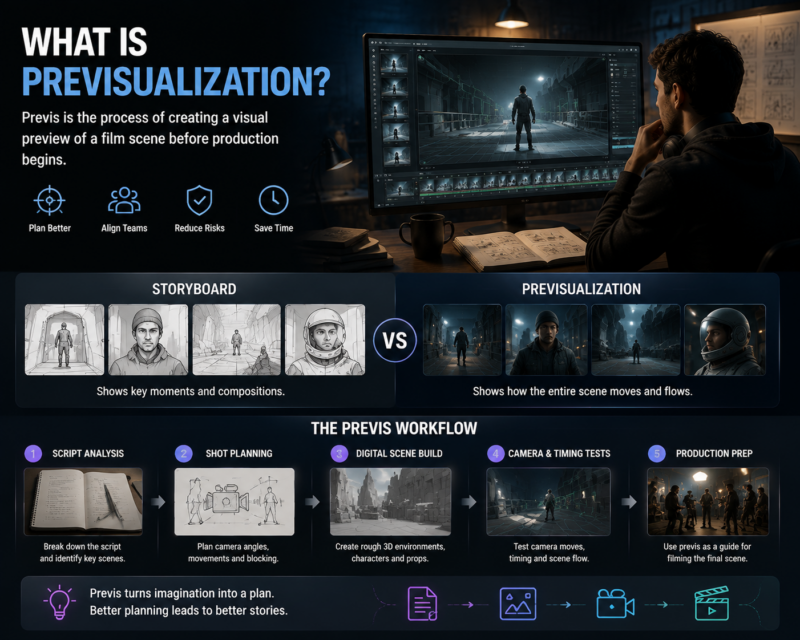
During pre-production, AI can help with script development, visual references, storyboarding, and shot planning. During production, it can support scene creation, character development, and visual experimentation. In post-production, AI can assist with editing, visual effects, audio enhancement, and finishing workflows.
The biggest shift is that filmmakers can now test ideas earlier. Instead of waiting until production begins to discover creative challenges, they can visualize different approaches and make decisions before investing significant time and resources.
AI Helps Filmmakers Develop Visual Concepts
Every cinematic project begins with an idea. Turning that idea into a visual language is one of the most important parts of filmmaking.
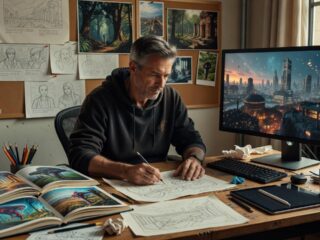
AI tools allow filmmakers to explore different creative directions before production begins. Directors can experiment with environments, lighting styles, camera compositions, color palettes, and overall moods to understand how a story could look on screen.
For example, a filmmaker developing a science fiction sequence can explore futuristic environments, character designs, and cinematic styles before moving into full production. Similarly, a commercial director can test different product presentation styles before creating the final advertisement.
This visual exploration helps filmmakers communicate their ideas more clearly with production teams and make stronger creative decisions.
Creating Cinematic Scenes With AI-Assisted Workflows
One of the biggest advantages of AI tools is their ability to help filmmakers create and refine complex scenes.
A cinematic scene often requires multiple elements to work together, including characters, environments, lighting, camera movement, and visual effects.
AI-assisted workflows help creators develop these elements together instead of treating every part as an isolated task.
Invideo Agent supports this type of filmmaking workflow by helping creators move from concepts and scripts to complete video projects. It helps connect creative planning, visual development, scene generation, editing, and refinement, allowing filmmakers to maintain a consistent direction throughout production.
This approach is especially useful for projects involving multiple scenes, where characters, environments, and visual styles need to remain connected.
Using AI Models for Different Cinematic Styles
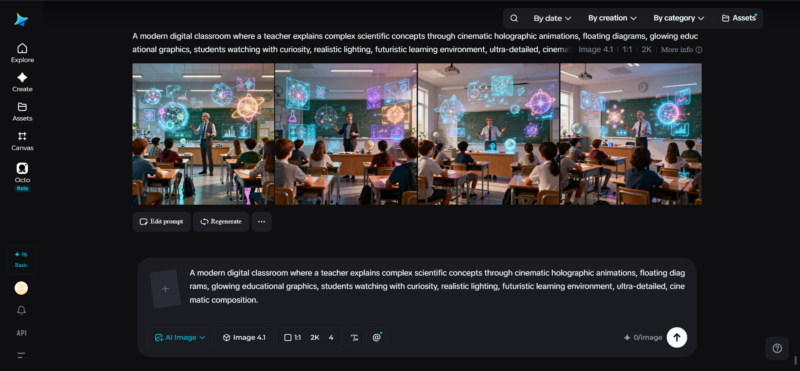
Modern AI filmmaking workflows often involve multiple AI models, like Google Veo, Seedance 2.0, and Kling AI, each offering different creative strengths.
Different models can help filmmakers explore various aspects of production, from realistic visuals and cinematic movement to stylized scenes and creative effects.
Using multiple AI models allows creators to experiment with:
- Different visual styles
- Camera movements
- Lighting approaches
- Character appearances
- Scene compositions
This gives filmmakers more creative flexibility during development.
Instead of relying on a single generation method, creators can select different approaches depending on the requirements of a scene.
AI-Assisted Pre-Production and Shot Planning
Pre-production is one of the most important stages of filmmaking because it determines how efficiently a production runs.
AI tools are helping filmmakers improve planning through:
- Story visualization
- Shot breakdowns
- Camera planning
- Scene references
- Production design concepts
A director can explore different camera angles, framing choices, and scene structures before filming begins.
For complex productions, this reduces uncertainty and helps teams understand exactly what needs to be created.
Shot planning is especially valuable for commercial filmmaking, where products, characters, and environments need to remain consistent across multiple scenes.
Maintaining Character and Visual Consistency
One of the biggest challenges in AI-generated filmmaking is maintaining consistency.
A character appearing in multiple scenes needs to retain the same appearance, personality, clothing, and movement style. Similarly, products used in advertisements need to maintain the same design, colors, and details throughout the video.
AI filmmaking workflows are improving at handling these challenges by allowing creators to work with references, creative direction, and connected production processes.
This is particularly important for:
- AI-generated characters
- Virtual actors
- Product commercials
- Long-form storytelling
- Brand campaigns
Consistency helps audiences stay connected to the story and makes AI-generated content feel more professional.
AI Agents Are Supporting Complex Film Production
As filmmaking projects become more ambitious, managing creative decisions across different stages becomes increasingly challenging.
A filmmaker may need to coordinate story development, camera direction, visual effects, character details, and editing decisions while maintaining the same creative vision.
With invideo Agent Two, filmmakers and creative teams can approach larger projects with a more coordinated workflow. It supports complex productions by helping manage different creative areas, including visual planning, cinematography, story development, and effects, while keeping important decisions connected throughout the project.
This type of workflow is valuable for multi-scene productions where consistency and collaboration are essential.
AI in Cinematic Editing and Post-Production
Post-production is where many cinematic elements come together. Editing, color correction, sound design, and visual effects all contribute to the final experience.
AI tools are helping editors work more efficiently by assisting with tasks such as:
- Footage organization
- Scene selection
- Video enhancement
- Visual effects
- Audio improvements
This allows filmmakers to spend more time refining storytelling decisions rather than handling repetitive technical tasks.
AI-powered editing tools can also help creators improve existing footage by enhancing quality, adjusting visuals, and preparing content for different platforms.
Creating Cinematic Videos With Smaller Teams
One of the biggest impacts of AI in filmmaking is making advanced production workflows more accessible.
Independent filmmakers and smaller creative teams can now explore ideas that previously required larger budgets and production crews.
AI can help reduce barriers around:
- Concept visualization
- Location creation
- Visual effects experimentation
- Scene development
- Content variations
This does not remove the importance of filmmaking skills. Storytelling, directing, cinematography, and creative judgment remain essential.
However, AI gives creators more tools to execute their vision.
The Role of Human Creativity in AI Filmmaking
Although AI can assist with many parts of video production, the creative vision still comes from filmmakers.
A director decides what emotion a scene should create, how characters should behave, what visual style fits the story, and how audiences should experience the final film.
AI works best as a creative partner that helps filmmakers explore ideas faster and manage production challenges more efficiently.
The strongest cinematic videos come from combining AI capabilities with human storytelling, imagination, and artistic decisions.
The Future of Cinematic Video Creation With AI
AI is changing filmmaking by making creative experimentation faster and more accessible.
Future workflows will likely focus on complete production ecosystems where filmmakers can develop stories, create visuals, manage characters, plan shots, and refine final videos within connected environments.
The future of AI filmmaking will not be about replacing traditional filmmaking. Instead, it will expand what creators can achieve by reducing technical limitations and allowing more people to bring ambitious ideas to life.
Final Thoughts
AI tools are becoming an important part of modern filmmaking by helping creators plan, visualize, and produce cinematic videos more efficiently.
From developing concepts and planning shots to creating scenes and refining final edits, AI supports filmmakers throughout the entire production process.
The most successful AI-assisted films will come from a balance between technology and creativity. AI can provide new possibilities, but human storytelling remains the foundation of every memorable cinematic experience.
About The Author